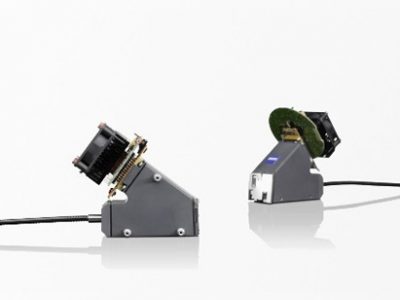
Spectrometer Modules
Traditional spectrometers comes with monochromators and detectors separately positioned. The diffraction element splits light beam which in turn falls on a detector. Where light passes through various media and falls on the detector. To ensure single wave length either slit moves or grating fixed on a metallic disc rotates. This ensure high resolution spectra. However mechanical movement does not allow moving samples or process chemistry.
Spectrometer modules are designed by Carl Zeiss in 1970 to reduce opto-mechanical design in order to achieve high precision result to address various process applications. This miniature spectrometers are permanently calibrated fixed with an optical element, fibers and detectors are permanently aligned. On one side there would a slit to collect light and on the other side there is SMA connector.
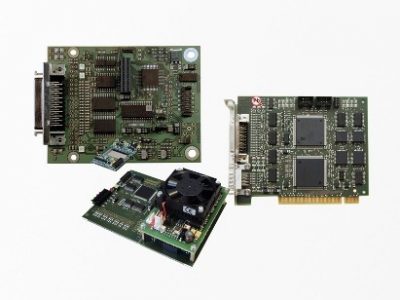
Spectrometer modules require FEE (Front End Electronics) and a high speed electronics either USB or Ethernet card to interface with network.
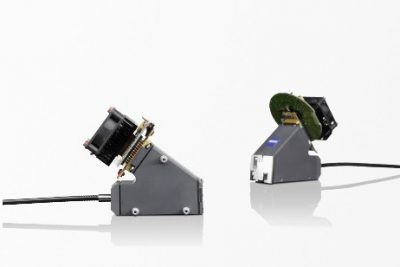
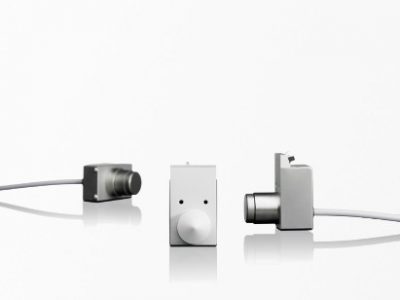
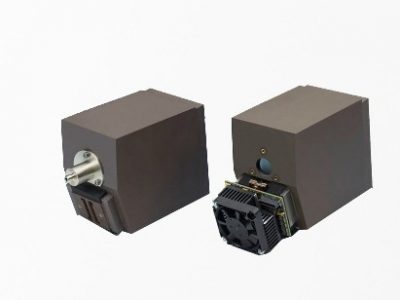
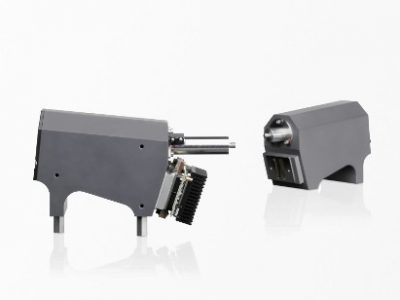
There are four different spectrometer modules (MMS, CGS, MCS and PGS) and available from Carl Zeiss Spectroscopy GmbH to work on the wave length region of approximately 200 to 2200nm.

- Compact
- Heat proof
- High precision
- Permanently calibrated
- Reduced opto-mechanical design
- Minimum interference
- Almost zero stray light
- No moving parts
- Optimum for Process Applications
- Fast data transfer
- Electronics-USB or Ethernet
- Insensitive to the temperature